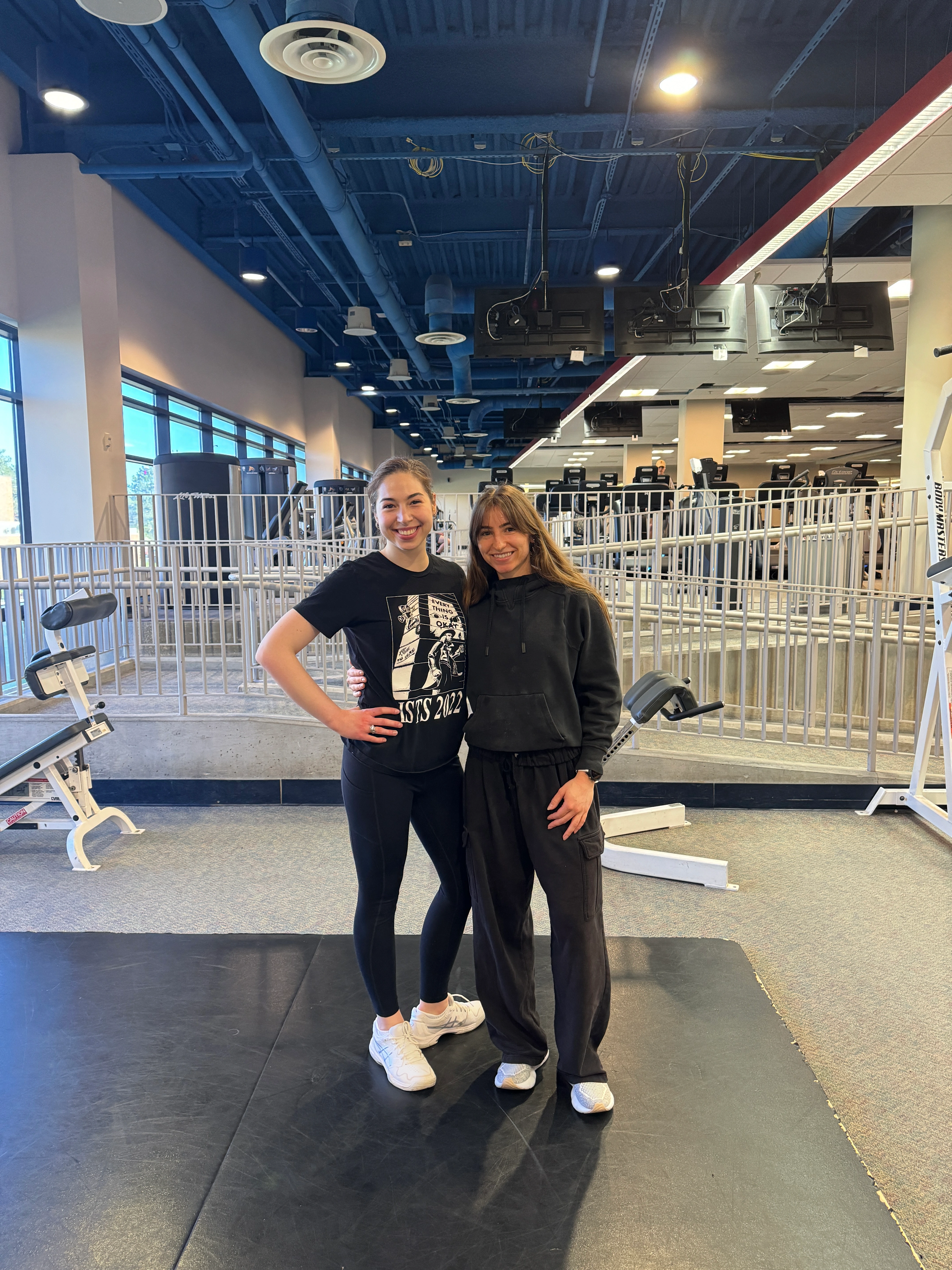
The idea of running long distances seemed a distant reality, something reserved for the athletic elite or those with a natural predisposition for endurance. However, 11 January 2024 marked a turning point for me as I laced my sneakers and conquered my ✨first✨ mile.
Little did I know that this milestone was just the beginning of my running journey. Fast forward to 28 April 2024, and I found myself finishing a half marathon, a feat that once felt unimaginable.
The journey from that first mile to completing 13.1 miles was filled with challenges, triumphs, and lessons that permeated into every aspect of my life.
This is the story of how I went from mile one to a half marathon, what I have learned during this process, and where I hope to go from here.
View my running stats here :)
🌸👋🏻 Join 10,000+ followers! Let’s take this to your inbox. You’ll receive occasional emails about whatever’s on my mind—offensive security, open source, academics, boats, software freedom, you get the idea.
Steps to running my first half marathon
1. Build a base
I started with a distance that challenged me, but was still manageable.
When I started my fitness journey in August/October of 2023, I could barely run a half mile without stopping to walk. So, I gradually worked up to one-mile. I reached one mile on 11 January 2024.
After completing my first mile, I knew this would be something I wanted to continue doing. However, my first mile was so difficult that I was unsure I would get very far, but I realized I was able to monitor and change pace, mental energy, and breath. Tuning into these aspects made my next run much easier.
Three days after that, I tried running two miles.
It was only a few weeks later that I decided to work towards a half-marathon.
2. Listen to your body
One thing I excelled at was listening to my body during and after the run.
There were times when I felt sick during my run, so I would stop. I knew that I could come back another time to try again.
Listening to my body helped me stay consistent on my journey since it was easier to have fun when I felt good.
Additionally, there were times that my body was exceptionally sore the day or two after running.
(I think this was because I had not incorporated a warmup or cooldown to my routine.)
Although my body still feels sore sometimes, I am cautious of signs related to overexertion or injury, and I adjust my training accordingly.
I know a lot of people who have injured their knees and ankles and it has stifled their athletic progress. Thus, I want to avoid any preventable harm.
🌸👋🏻 Join 10,000+ followers! Let’s take this to your inbox. You’ll receive occasional emails about whatever’s on my mind—offensive security, open source, academics, boats, software freedom, you get the idea.
3. Warm-up and cool down
That being said, I learned about warm-ups and cool-downs around 3/4ths of the way through my half marathon journey.
To warm up and cooldown, I walk 3-to-5 minutes on the treadmill. After my runs, I began stretching, and occasionally using foam rollers too.

Some of stretches I do include:
- Lunges (toes up and down)
- Forward fold
- Downward dog (shown in diagram as “leg stretch”)
I usually do around eight leg stretches, and two or three upper body stretches.
4. Consistent training
I ran once or twice a week at max on the treadmill.
I struggle with pacing, but I found that using the treadmill helps me keep a steady pace. It also gives me peace of mind, knowing that I will not trip and fall on objects (e.g., rocks or bumps in the sidewalk) in my path.
Unfortunately, my style of training isn’t what experts recommend according to my research (Source). I only learned this when I began writing this blog post. I thought that running was a relatively simple activity, so I did not put much thought into it other than “how does my body feel?”
The RunWithHal app advised me to run regularly to build endurance, aiming for at least three to four days a week, with a mix of shorter and longer runs. It included different types of runs in my training, such as easy runs, tempo runs, interval training, and long runs.
I did not follow this advice. However, training more than once a week when trying to go from 1 mile to 13.1 in four months appears smarter and safer than what I did (Source).
That being said, I think I would get bored of treadmill running, but overwhelmed by the variety RunWithHal was recommending to me as a new runner. My first personal trainer, James Gallagher, recommended I mix up my running routes (if I chose to run outside) and styles (e.g., run to one mailbox and then walk to the next mailbox within my neighborhood) to prevent boredom.
🌸👋🏻 Join 10,000+ followers! Let’s take this to your inbox. You’ll receive occasional emails about whatever’s on my mind—offensive security, open source, academics, boats, software freedom, you get the idea.
5. Cross-train
On a similar note, cross-training is another style the RunWithHal app recommended to me. It is also something I did not implement, but will be considering in the future.
Dr. Kristopher J. Paultre at the University of Miami recommends incorporating cross-training activities—cycling, swimming, or strength training—to improve overall fitness and reduce the risk of injury.
Doing repetitive motions over and over can cause overuse injuries and injuries that would not normally happen. It’s the biggest issue we have with our younger adolescent athletes. They stick to one sport without training the rest of their body.
Kristopher J. Paultre, M.D., primary care sports medicine expert with the University of Miami Sports Medicine Institute (Source).
Throughout my running journey, I trained for strength, flexibility, and mobility too. However, my primary form of aerobic exercise was running. I want to expand my aerobic exercise breadth while I train for my first marathon (26.2 miles).
6. Form
Around 1/4th way through my running journey, I learned about form from my second personal trainer, Bethany Zwolinski. Proper form can make running more efficient and reduce the risk of injury (Source).
Bethany explained my form needed improvement when it came to how high I lifted my knees. Specifically, I was not raising my legs high enough and was stomping my foot at an angle that was too flat, rather than the mid center. This foot placement was less efficient in moving me forward; it was like I was partially stopping my momentum every step I took.
From her feedback, I created a mental checklist of the form constraints I need to follow throughout my run:
- Shoulders back and down + brace chest (similar to what I would do during a lateral pull-down)
- Head up like I am talking to someone at eye-level
- Knees up to where legs make a 90 degree angle and land on the sole and instep of my foot
Outside of this though, I have to change where I land sometimes because my feet often begin to hurt during the run. Once they start hurting in one spot, I change where I land, so that they do not hurt as much.
🌸👋🏻 Join 10,000+ followers! Let’s take this to your inbox. You’ll receive occasional emails about whatever’s on my mind—offensive security, open source, academics, boats, software freedom, you get the idea.
7. Set realistic goals
One thing I learned throughout this running journey is that my goals were realistic, but the way I approached them was unhealthy.
Some magazines and forums recommend gradually increasing weekly mileage by no more than 10% each week to avoid overtraining and reduce the risk of injury. Unfortunately, I could not find an originating source or scientific source for this advance. However, it makes logical sense to me.
That said, this is a rule I did not know about or follow. After running my first mile, I usually increased my running duration by one mile every two weeks. I ran 7 miles for two weeks then I jumped to 10 miles. I went from 10 miles to 13 miles on the day I ran my first half marathon.
Future goals
According to James O’Keefe, “the marathon—a 26 mile run—is the ultimate achievement of running.” So, of course, I want to complete a marathon.
🌸👋🏻 Join 10,000+ followers! Let’s take this to your inbox. You’ll receive occasional emails about whatever’s on my mind—offensive security, open source, academics, boats, software freedom, you get the idea.
Conclusion
Embarking on this fitness journey has brought about many changes in my life. The idea of running long distances is no longer a distant reality, and I am deeply proud of this achievement.
Thank you for reading about my journey.
I hope you enjoyed this post on my fitness progress. If you want to learn more about my miscellaneous hobbies, consider reading Ultimate Big Sur Trip: One Day on the Road.



You must be logged in to post a comment.